
Asian Handicap betting is one of the most nuanced and strategically rich forms of wagering in sports, particularly in football. Unlike traditional betting, which often relies on simple win, lose, or draw outcomes, Asian Handicap introduces a layer of complexity that balances the playing field between stronger and weaker teams. By eliminating the possibility of a draw through handicap adjustments, it allows for more precise prediction of outcomes and reduces the inherent randomness of a simple bet. This approach encourages players to engage in more thoughtful analysis, fostering long-term control over betting behaviors rather than relying solely on luck or impulse.
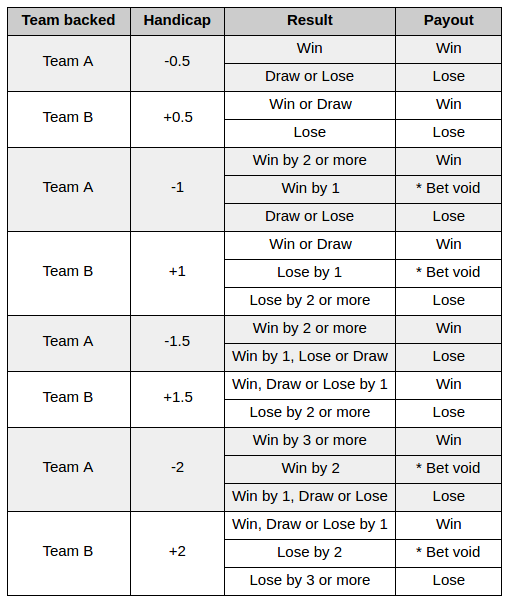
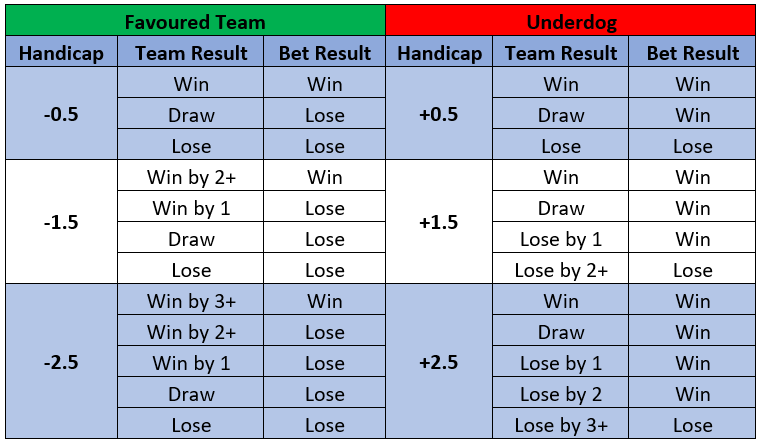
One of the fundamental aspects of Asian Handicap is its ability to level the competitive landscape. When a strong team faces a weaker opponent, standard betting odds often skew heavily toward the favorite, offering little incentive for careful evaluation. Asian Handicap mitigates this by assigning a virtual advantage or disadvantage in terms of goals or points. For example, a weaker team might start the game with a +1.5 goal advantage, while the stronger team carries a corresponding handicap of -1.5. This adjustment ensures that both betting options carry meaningful risk and potential reward, compelling players to scrutinize team performance, recent form, and head-to-head records more diligently. Over time, this analytical approach naturally cultivates disciplined betting habits, as players learn to assess value rather than simply follow intuition.
In addition, Asian Handicap promotes better bankroll management, a key element of long-term control. Because the system often requires more precise betting decisions, it discourages hasty, high-risk wagers. Players quickly recognize that sustainable success relies on smaller, carefully considered bets rather than aggressive, impulsive behavior. This mindset not only reduces losses but also enhances the overall enjoyment of betting, as it transforms the experience from a gamble based on chance into a strategic exercise rooted in skill and knowledge. Over months and years, this disciplined approach to betting nurtures patience and self-control, essential traits for any bettor seeking consistent performance.
The statistical foundation behind Asian Handicap further reinforces long-term control. Players are encouraged to analyze quantitative data such as expected goals, defensive efficiency, and scoring trends. By integrating these metrics into their betting strategy, individuals move beyond superficial evaluations and develop a systematic methodology for decision-making. This analytical rigor helps to reduce emotional reactions to wins or losses, which are common pitfalls in traditional betting. As bettors become accustomed to this data-driven approach, they are less likely to chase losses or make impulsive bets, thus maintaining a more stable and controlled betting trajectory over time.
Moreover, Asian Handicap encourages diversification of betting strategies. The variety of handicap lines—ranging from whole numbers to quarter-goals—allows players to experiment with different risk-reward profiles. Quarter-goal handicaps, for instance, split bets between two outcomes, which can minimize potential losses while still offering opportunities for profit. Engaging with these options teaches players to balance risk effectively, understand probability nuances, and appreciate the importance of incremental gains. This continuous interaction with complex decision-making scenarios strengthens cognitive discipline and enhances the bettor’s ability to manage multiple variables simultaneously, skills that are invaluable for maintaining long-term control over betting activities.
Another crucial factor is the psychological benefit that Asian Handicap provides. By focusing attention on precise outcomes and performance metrics, bettors are less prone to overconfidence or emotional bias. The necessity of evaluating both teams critically before placing a bet instills a cautious and considered mindset. This psychological discipline translates into broader behavioral benefits, including improved self-regulation and reduced susceptibility to impulsive betting patterns. In effect, the structured nature of Asian Handicap betting trains the mind to approach decisions logically, reinforcing habits that support sustained control and consistent results.
Asian Handicap also offers the opportunity for adaptive strategy development. The dynamic nature of sports means that teams’ performance levels fluctuate over time. Bettors who engage with Asian Handicap must monitor injuries, team form, tactical changes, and environmental factors such as home-field advantage. This ongoing assessment cultivates flexibility and responsiveness, as players learn to adjust their bets based on current data rather than relying on static assumptions. Over the long term, this adaptive approach contributes to a more resilient betting strategy, where control is maintained even in the face of unpredictable events, further enhancing the stability and sustainability of the bettor’s approach.
In addition, Asian Handicap fosters a community of informed bettors. Because the system is more complex than standard betting formats, it encourages discussion, sharing of insights, and collaborative analysis. Engaging with forums, expert predictions, and statistical models exposes players to diverse perspectives, which can refine their own decision-making process. This exchange of knowledge not only improves betting proficiency but also reinforces disciplined habits, as participants learn to evaluate information critically and apply it systematically. The social dimension of learning within Asian Handicap betting circles further supports the development of long-term control, as accountability and shared knowledge reduce impulsive or poorly informed actions.
Ultimately, Asian Handicap betting exemplifies how structured and analytically driven approaches can strengthen long-term control. By requiring careful evaluation, statistical analysis, and adaptive thinking, it shifts the focus from chance-based gambling to skill-based decision-making. Players develop improved discipline, enhanced risk assessment, and greater psychological resilience, all of which contribute to sustainable betting practices. Over time, this approach fosters a more enjoyable and rewarding experience, where strategic foresight replaces reactive behavior, and consistent performance becomes achievable. Through its blend of quantitative rigor, psychological engagement, and strategic flexibility, Asian Handicap serves not only as a compelling betting format but also as a framework for cultivating responsible, controlled, and long-term successful wagering habits.
Engaging with Asian Handicap encourages bettors to embrace a more professional approach to their betting activities. By emphasizing research, careful selection, and disciplined execution, individuals internalize principles of control that extend beyond a single game or match. This methodical approach also provides a buffer against the emotional volatility commonly associated with betting, as decisions are grounded in objective analysis rather than spur-of-the-moment impulses. Over time, bettors who consistently apply these principles find themselves better equipped to navigate the ups and downs of sports betting, achieving a balance between risk and reward that supports sustained success.
The long-term benefits of this approach are clear. Bettors who master Asian Handicap develop patience, analytical skills, and a heightened awareness of probability and outcomes. These qualities not only enhance their betting performance but also cultivate personal traits such as focus, patience, and strategic thinking. By continuously engaging with a system that rewards careful planning and measured action, bettors strengthen their ability to exercise control over both their decisions and their results, ensuring that success in betting is not a matter of luck alone but a product of disciplined, informed, and sustained effort.
In conclusion, the strategic complexity and analytical requirements of Asian Handicap betting make it an excellent tool for fostering long-term control. Through careful study, disciplined bankroll management, and continuous adaptation, bettors are encouraged to approach wagering as a skill-based endeavor rather than a game of chance. This emphasis on strategy, precision, and informed decision-making helps players cultivate sustainable habits, improve their risk assessment, and maintain psychological discipline. By embracing the principles inherent in Asian Handicap, bettors not only enhance their chances of success but also build a framework for responsible, controlled, and enduring engagement with sports betting.
This structured, data-driven, and psychologically grounded approach ensures that bettors remain in control over their actions and outcomes, cultivating a betting mindset that prioritizes strategic thinking, sustainable growth, and long-term performance. The lessons learned from consistently engaging with Asian Handicap betting extend beyond sports, offering broader insights into disciplined decision-making, risk management, and controlled execution that are applicable across many areas of life.







Leave a Reply