In the modern gaming landscape, casino platforms have evolved far beyond the simple slot machines and card tables of the past. Today, they offer comprehensive ecosystems that cater to a wide array of player preferences, combining technology, entertainment, and social engagement in ways that can significantly influence player loyalty. Understanding the mechanisms behind this loyalty is crucial for both operators seeking to retain their users and players seeking a more enjoyable and responsible gaming experience. Central to this dynamic is the role of platform design, player experience, and trust, all of which interplay to create an environment that encourages consistent engagement and long-term satisfaction.
A casino platform’s interface is one of the most immediate touchpoints for player interaction. Intuitive design, ease of navigation, and seamless performance are critical in ensuring that players feel comfortable and in control. A platform that responds quickly to input, provides clear visual cues, and minimizes unnecessary complexity enhances player confidence and reduces frustration. When users can access games, account information, and support features effortlessly, the platform fosters a sense of reliability and competence. This sense of reliability is directly linked to loyalty; players are more likely to return to a platform where their experience is predictable, smooth, and enjoyable.
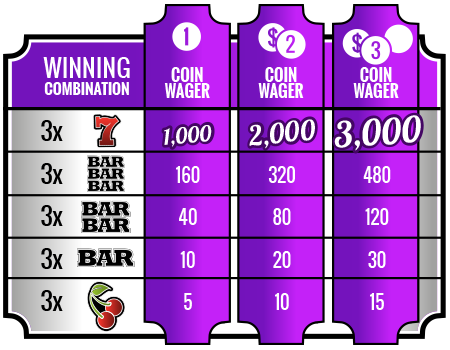
Beyond usability, the variety and quality of games offered play a pivotal role in sustaining engagement. A platform that provides a diverse portfolio—including slots, table games, live casino experiences, and even skill-based challenges—caters to a broad spectrum of interests. Players value novelty and choice; having multiple options allows them to tailor their gaming experience according to mood, skill level, or desired level of risk. Moreover, high-quality graphics, immersive sound design, and realistic animations contribute to the overall sensory experience, making games more engaging and memorable. This kind of rich environment encourages repeated visits, as players anticipate the enjoyment and excitement that the platform consistently delivers.
Personalization is another critical component in cultivating player loyalty. Platforms that leverage data analytics to understand user preferences, habits, and behaviors can tailor recommendations, promotions, and game suggestions to individual players. This creates a sense of being understood and valued, enhancing the emotional connection between the player and the platform. Personalized experiences extend to reward systems, where loyalty programs, exclusive bonuses, and tiered incentives acknowledge the player’s continued engagement. When users feel that their commitment is recognized and rewarded, their attachment to the platform strengthens, fostering long-term loyalty that extends beyond simple game preference.
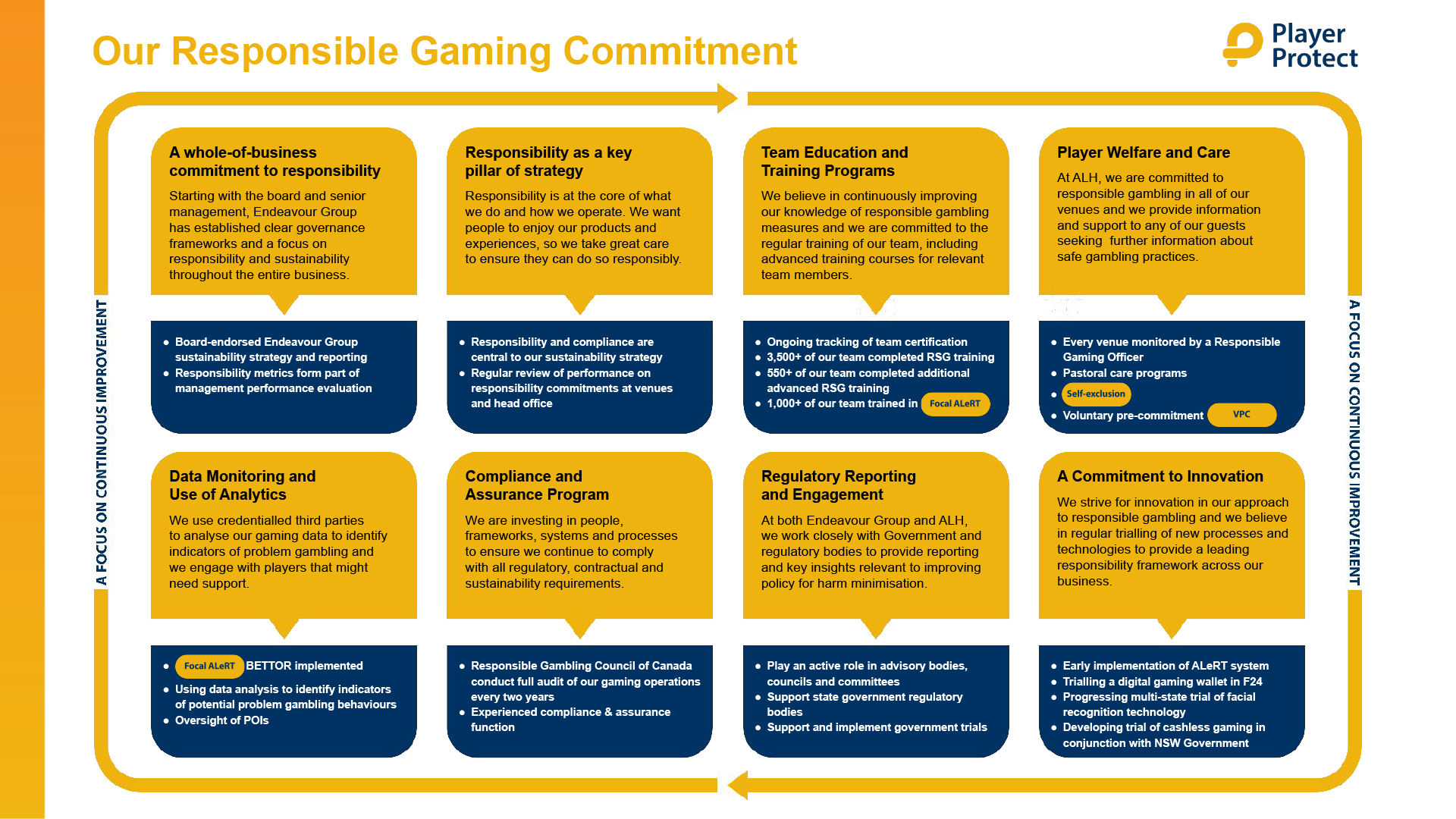
Trust and transparency are foundational to any sustainable casino platform. Players are more likely to remain loyal when they believe that the platform operates fairly, securely, and responsibly. Transparent terms and conditions, verifiable game fairness through third-party audits, and robust security measures for financial transactions all contribute to a trustworthy environment. Responsible gaming initiatives, such as setting deposit limits, self-exclusion tools, and access to support for problem gambling, reinforce this trust by demonstrating that the platform prioritizes player welfare over short-term profit. When users perceive a platform as ethical and protective, their loyalty is not only emotional but also rational, as they recognize the long-term benefits of staying within a safe and reliable environment.
Community and social interaction also significantly influence player engagement and loyalty. Platforms that incorporate chat features, leaderboards, multiplayer modes, and social challenges enable players to connect with others, fostering a sense of belonging. Humans are inherently social creatures, and gaming communities can amplify enjoyment, create healthy competition, and enhance the overall experience. Players who feel part of a vibrant community are less likely to drift to other platforms, as the social ties and shared experiences become integral to their engagement. This communal aspect transforms the platform from a mere service into a hub of interaction and entertainment, solidifying loyalty through social reinforcement.
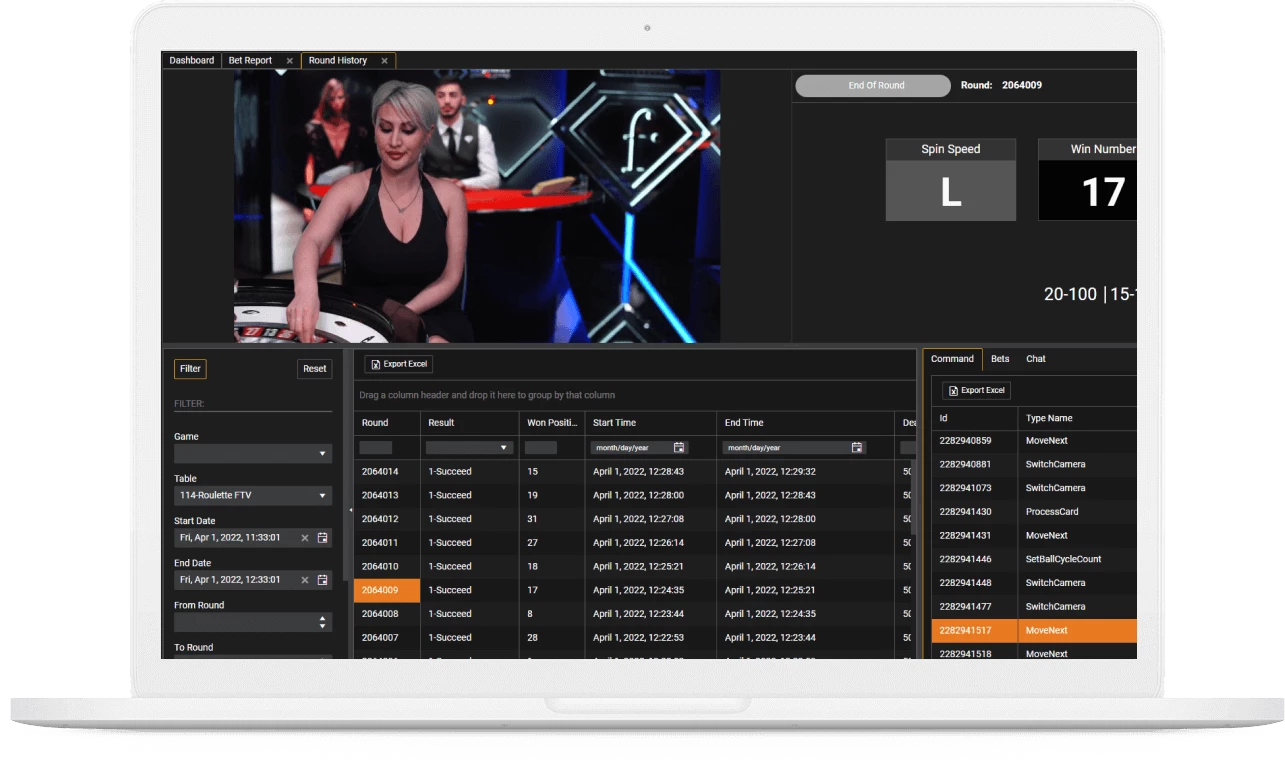
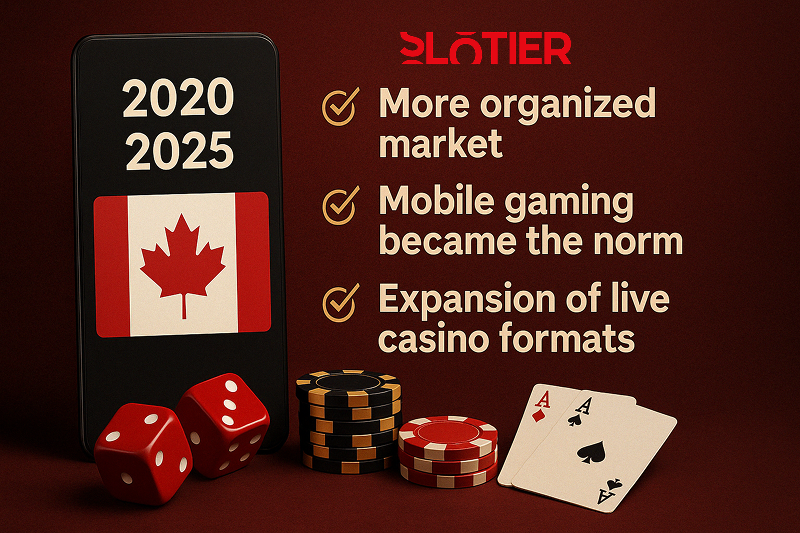
The integration of technology further shapes player loyalty through innovative features such as live dealer games, augmented reality experiences, and real-time event participation. Live casino formats, for example, simulate the energy of a physical casino by providing interactive, real-time gameplay with professional dealers. Such experiences bridge the gap between digital convenience and tangible social excitement, offering players the best of both worlds. Augmented and virtual reality experiences push this engagement even further, creating immersive environments where players can explore, interact, and compete in ways that standard digital interfaces cannot replicate. By continuously innovating and expanding the technological capabilities of the platform, operators can maintain player interest and encourage long-term commitment.
Analytics and feedback loops play a subtle but important role in reinforcing loyalty. Platforms that monitor player engagement, track preferences, and analyze behavioral patterns can identify trends and adapt offerings accordingly. For example, noticing which games have higher retention rates or which promotions stimulate repeat visits allows operators to optimize experiences dynamically. Additionally, platforms that provide feedback mechanisms—such as surveys, ratings, and customer support channels—signal to players that their opinions matter. This responsiveness cultivates a sense of partnership between the user and the platform, making players feel empowered and heard, which strengthens their allegiance.
Marketing and promotional strategies must also align with these principles to maximize loyalty. Thoughtful campaigns that emphasize rewards, milestones, and achievements resonate more with players than generic advertising. By emphasizing progress, recognition, and personal growth within the platform, operators can encourage habitual engagement that feels both rewarding and meaningful. Seasonal events, limited-time challenges, and interactive tournaments create urgency and excitement, prompting players to return frequently to avoid missing out. When these strategies are executed with authenticity and consistency, they reinforce the player’s perception of value and deepen loyalty over time.
Finally, accessibility and cross-platform compatibility are essential for sustaining long-term engagement. Players increasingly expect seamless experiences across desktops, smartphones, and tablets. Platforms that offer synchronized accounts, cloud-based progress tracking, and responsive design ensure that players can engage whenever and wherever they choose. Convenience, combined with a consistent experience across devices, removes barriers to engagement and reduces friction that might otherwise drive players toward alternative platforms. By addressing these expectations, operators solidify the platform’s role in the player’s routine, making it a natural choice for continued play.
In conclusion, player loyalty in casino platforms is a multi-dimensional construct shaped by usability, variety, personalization, trust, social engagement, technological innovation, responsive analytics, strategic marketing, and accessibility. Each element reinforces the others, creating a cohesive ecosystem that encourages players to return repeatedly and maintain long-term engagement. For operators, understanding and optimizing these factors is critical to building a sustainable, successful platform. For players, a thoughtfully designed and ethically managed platform enhances enjoyment, confidence, and satisfaction, establishing a mutually beneficial relationship that extends beyond the immediate thrill of gaming. Loyalty, in this context, is not merely a consequence of reward structures or flashy features but emerges from a well-rounded, player-centric experience that balances excitement, security, and meaningful interaction.
This holistic approach ensures that the connection between the player and the platform is enduring, fostering not only repeat visits but also a positive reputation that attracts new users through word-of-mouth and community influence. By continuously evolving to meet player needs while maintaining high standards of fairness and responsibility, casino platforms can secure a loyal player base that forms the backbone of long-term success.